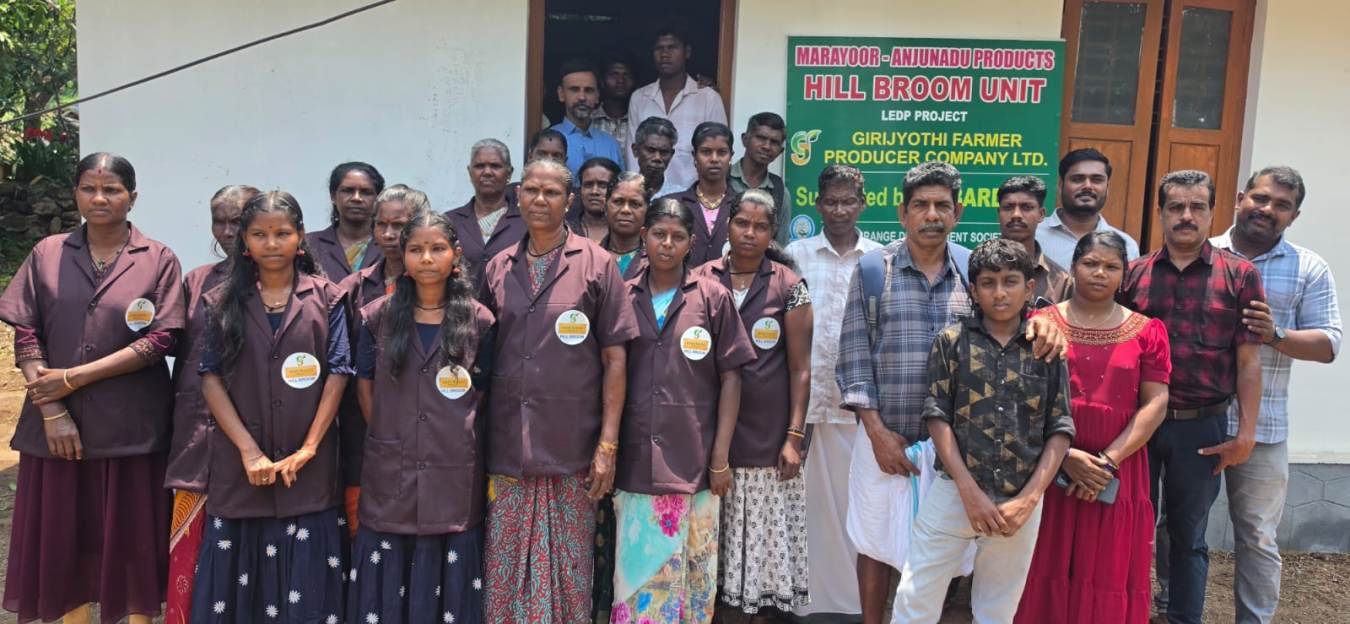
Socio-Economic Transformation: CRD Team Conducts Exposure Visit to the Marayoor TDF Project
On Monday, May 25, 2026, a joint delegation from CRD Kasaragod, the Athirapally TRIBES Project, and the Project Level Tribal Development Committee (PTDC) conducted a comprehensive learning and exposure visit to the Marayoor Tribal Development Fund (TDF) Project. The primary objective was to evaluate the project's highly successful model, which has achieved a major rural development milestone by elevating local family incomes from an average of ₹25,000 to ₹4 Lakhs annually. This economic transformation stems from a strategic agricultural shift away from subsistence farming toward high-value permanent cash crops like pepper and coffee, combined with seasonal vegetables and sustainable lemongrass cultivation and oil extraction.
During the field tour, the delegation inspected vital community enterprises and processing setups, including the "Anjunadu" branded hill broom unit, the weekly Chilla market, a dedicated coffee peeling processing unit, and the Girijyothi Farmer Producer Organization (FPO) facilities. Beyond evaluating these operations, the visit served as a platform for an in-depth discussion regarding future inter-change business collaborations, establishing a framework to trade and cross-market agricultural products directly between the Athirapally and Marayoor TDF networks.
The learning process was highly collaborative, led on the visiting side by Mr. Nikhil K (Project Manager, CRD Athirapally), Mr. Pradeep (Tribal Extension Officer, Amballoor), Ms. Viji Shaju (PTDC President), and Mr. Chandran Pothupara (PTDC Secretary). They were hosted and briefed by Marayoor’s project leadership, including Project Manager Mr. Ciby Thomas, Project Coordinator Mr. Ebin Thomas, and the Girijyothi FPC staff. At the grassroots level, village-based tours were anchored by community leaders Mr. Sreemurugan (Chairman of the Girijyothi Company), Mr. Chandran Kavakkudi (Village Farmer and VSS Leader), and Mr. Kanakkan (Village Sarpanch), who demonstrated firsthand how individual households achieved financial independence by successfully combining livestock farming (cows, goats, and poultry) with permanent agriculture.
Latest News
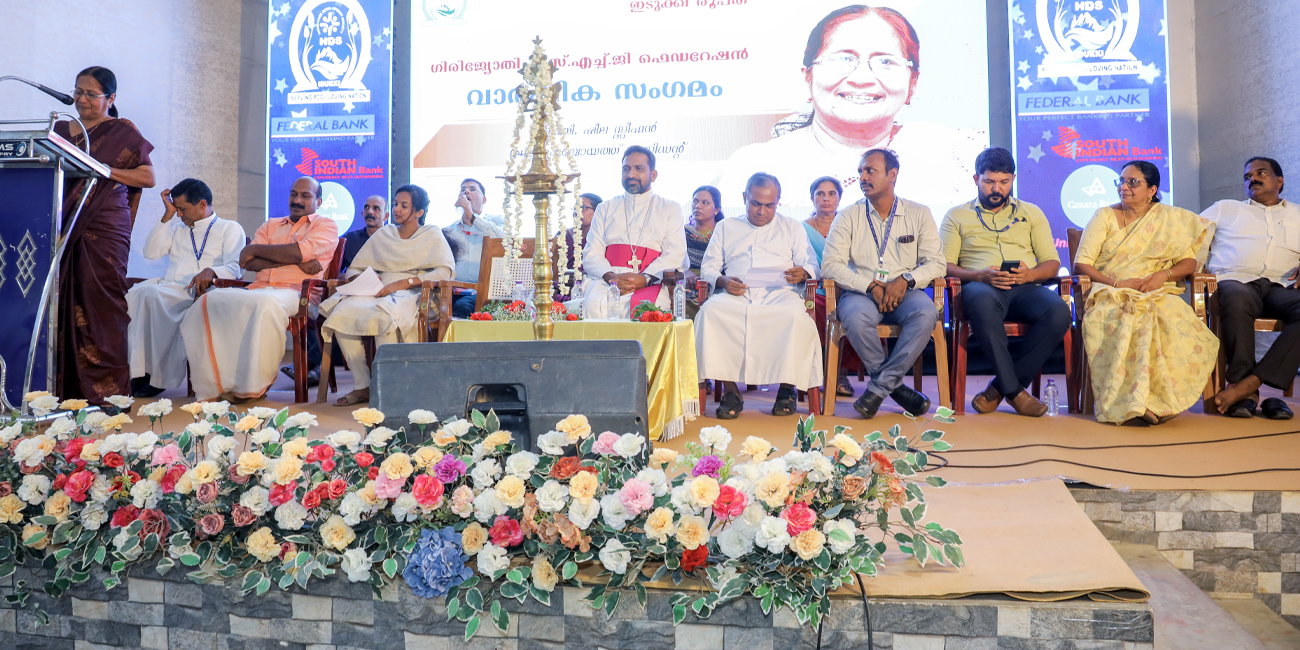
SGH Federation Anniversary
22nd Apr, 2026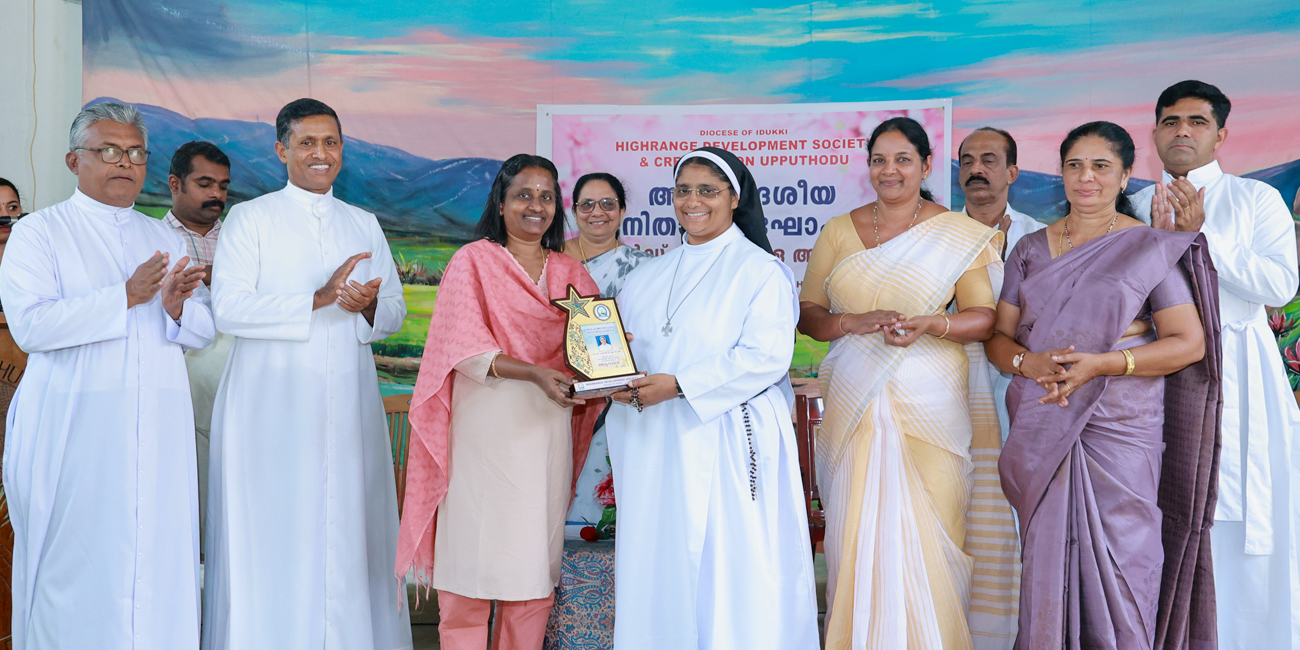
International Women’s Day 2026
9th Mar, 2026
